
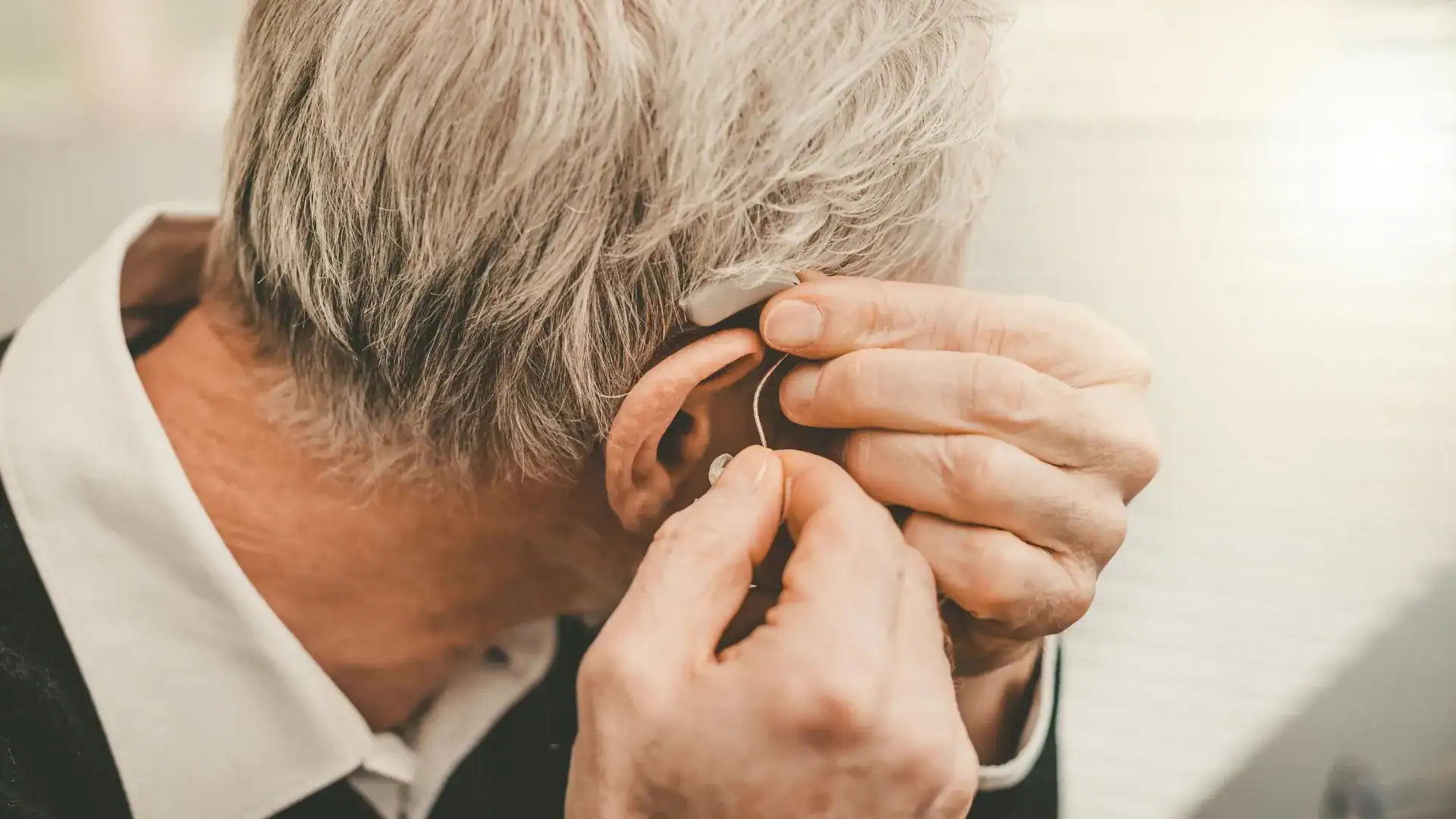
Hearing aids are designed to make sounds clearer and improve communication. When they are working properly, they can help individuals stay connected with family, friends, and the world around them. However, many hearing aid users occasionally experience an unexpected problem: whistling.
This high-pitched sound, often called feedback, can be frustrating and sometimes embarrassing. It may occur when putting a hearing aid in, talking on the phone, hugging someone, or even during everyday conversations.
The good news is that hearing aid whistling is a common issue and is often easy to correct. Understanding why it happens can help users address the problem quickly and enjoy better hearing performance.
What Causes Hearing Aid Feedback?
Feedback occurs when amplified sound escapes from the ear and is picked up again by the hearing aid’s microphone. The device then re-amplifies the sound, creating a loop that produces a whistling or squealing noise.
Think of it like a microphone placed too close to a speaker. The sound circles back into the system, creating a loud, high-pitched tone.
Improper Hearing Aid Placement
One of the most common causes of whistling in hearing aids is incorrect placement in the ear.
If the hearing aid or earmold is not seated properly, sound can leak out before it reaches the ear canal. Even a small gap can allow amplified sound to escape and create feedback.
Earwax Buildup
Earwax serves an important purpose by protecting the ear canal from dirt and debris. However, excessive wax accumulation can interfere with hearing aid performance.
When earwax blocks part of the ear canal, sound may bounce back toward the hearing aid microphone rather than traveling naturally through the ear.
Changes in Ear Shape or Fit
The shape of the ear canal can change over time due to aging, weight fluctuations, or other physical changes.
When this happens, a hearing aid or earmold that once fit comfortably may no longer create the proper seal. Even small changes in fit can allow amplified sound to escape.
Signs that fit may be an issue include:
- Frequent feedback throughout the day
- Hearing aids that feel loose
- Devices that shift during movement
- Reduced comfort while wearing hearing aids
If these symptoms occur, a hearing health professional may recommend adjustments or replacement components to improve the fit.
Volume Settings and Programming Issues
Sometimes feedback occurs because hearing aids are set too loud for the user’s current needs.
Modern hearing aids contain sophisticated technology designed to automatically minimize feedback. However, programming adjustments may occasionally be necessary.
If the device consistently whistles at certain volume levels or in specific listening situations, professional evaluation may help determine whether settings should be modified.
A hearing health professional can assess device performance and ensure settings are optimized for comfort and clarity.
External Objects Near the Ear
Feedback does not always indicate a problem with the hearing aid itself.
Objects positioned close to the ear can sometimes reflect sound back toward the microphone. Common examples include:
- Telephones
- Hats
- Scarves
- Pillows
- Hands placed near the ear
In many cases, simply adjusting the position of these objects can eliminate the whistling.
Users may notice this type of feedback only in specific situations rather than continuously throughout the day.
When to Seek Professional Assistance
Occasional brief feedback is normal, especially when inserting hearing aids or positioning objects near the ear. Persistent whistling, however, may indicate that professional attention is needed.
Individuals experiencing persistent issues can contact Ascent Audiology & Hearing for assistance here: https://ascentaudiologycanton.com/canton-mi/
Prompt evaluation can often resolve the problem before it begins affecting communication and hearing satisfaction.
Tips to Reduce Hearing Aid Whistling
Many feedback problems can be minimized through simple daily habits.
Helpful strategies include:
- Ensuring hearing aids are inserted correctly
- Keeping devices clean and well-maintained
- Scheduling regular hearing aid checkups
- Monitoring for excessive earwax buildup
- Reporting persistent feedback to a hearing health professional
These steps can help maintain optimal device performance and reduce unnecessary interruptions.
Conclusion
Whistling in hearing aids is a common issue that usually results from feedback. Improper placement, earwax buildup, changes in ear shape, programming concerns, and nearby objects can all contribute to the problem.
Fortunately, most causes of feedback can be identified and corrected. Understanding why whistling occurs helps hearing aid users take practical steps toward clearer, more comfortable hearing.
With proper maintenance, regular evaluations, and guidance from a hearing health professional, hearing aids can continue providing reliable support for everyday communication.