
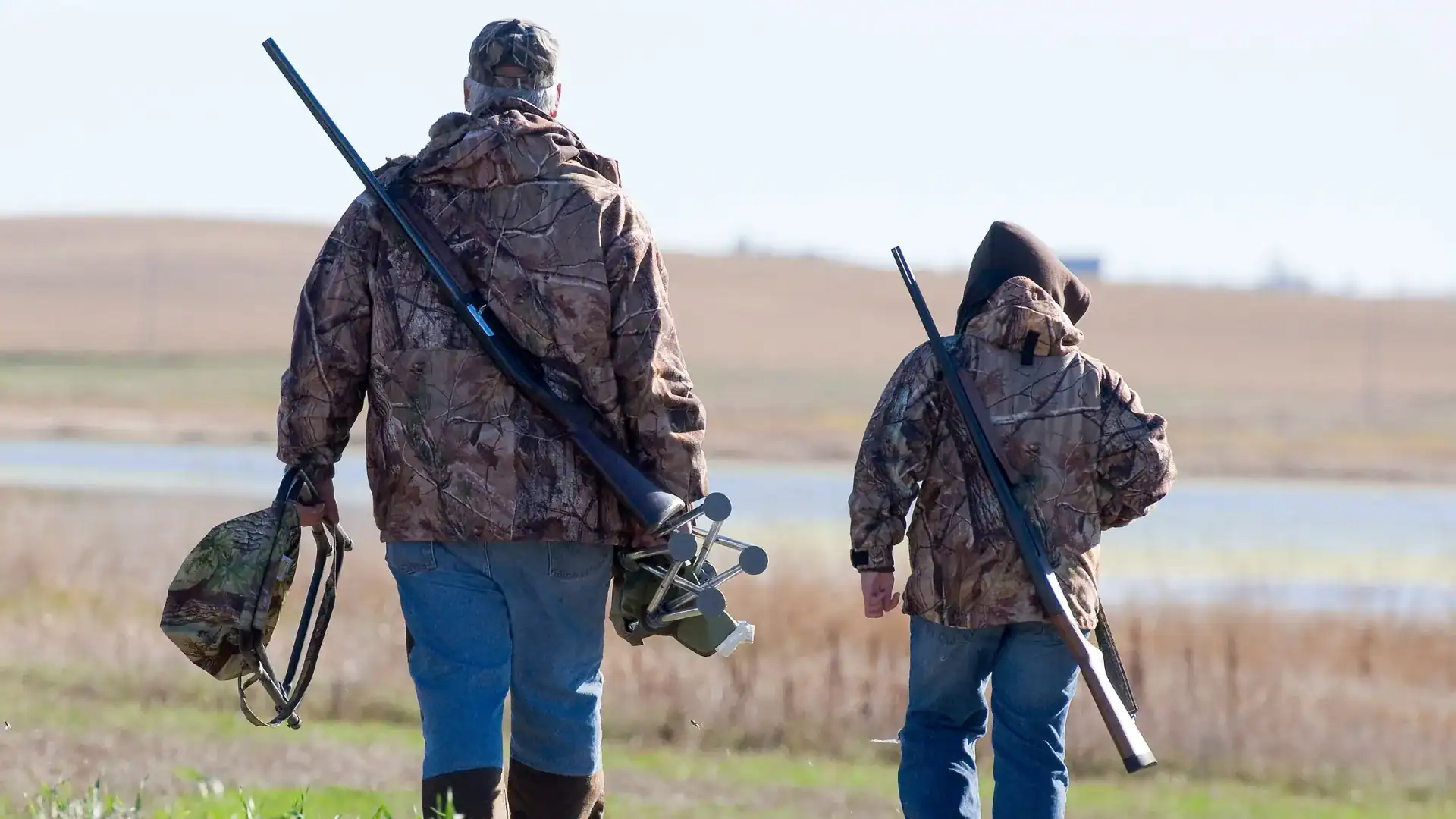
Fishing and hunting are popular outdoor activities, but both can expose the ears to more than firearm noise. Hunters may encounter loud vehicles, ATVs, power tools, dog kennels, and sudden environmental sounds. Anglers may spend hours around boat engines, motors, wind, and other steady noise. These exposures may seem less serious than a gunshot, yet repeated sound can still add stress to the hearing system.
Protecting hearing outdoors requires a broader view of noise. Firearm safety remains essential, but it is also important to consider the sounds that occur before, during, and after a trip. Planning ahead can help protect hearing while allowing you to remain aware of important environmental sounds.
Noise Risks During Hunting and Fishing
A single gunshot can reach a dangerous sound level, making proper protection essential during hunting and shooting. However, other sounds can also contribute to overall exposure. ATVs, generators, chainsaws, and power equipment may be used to prepare hunting areas or travel through remote locations.
Fishing can involve different risks. Outboard motors and boat engines can produce steady noise during long trips. Wind noise may also become significant when traveling at speed. In some situations, several sources of sound occur at once, increasing the total amount of noise reaching the ears.
Choose Protection for the Activity
The best type of hearing protection depends on the activity and the individual’s listening needs. Hunters may need protection that reduces harmful impulse noise while still allowing awareness of voices and environmental sounds. People who operate equipment may have different needs.
Custom options can provide a close fit designed for the shape of the ear. Ascent Audiology Canton explains the benefits of custom hearing protection, including options tailored to specific activities and listening environments.
Consider the Full Day of Sound Exposure
Ear safety should begin before the first shot or the first boat ride. Think about the entire day. You may drive an ATV to a hunting location, use a motorized boat, operate equipment, and then spend time near other people or machines.
A simple preparation routine can include:
- Identifying the loudest parts of the planned activity.
- Packing appropriate hearing protection before leaving home.
- Taking quiet breaks when practical during long outings.
These habits can help make hearing protection a normal part of outdoor preparation rather than an afterthought.
Stay Aware of Warning Signs
The ears may provide clues that an environment was too loud. Ringing, buzzing, muffled hearing, or a feeling that sounds are temporarily dull can occur after exposure to excessive noise. These symptoms should not be treated as a normal reward for a successful day outdoors.
Ascent Audiology Canton provides additional guidance on protecting your hearing in loud environments, including practical ways to reduce exposure and recognize signs that sound levels may be harmful.
If hearing seems suddenly reduced, seek prompt medical attention. Ongoing ringing or continued difficulty hearing should also be discussed with an appropriate healthcare provider or hearing health professional.
Protect Hearing Without Losing Situational Awareness
Some people avoid hearing protection because they worry about missing important sounds. Hunters may want to hear approaching animals or communicate with companions. Anglers may need to hear instructions, weather warnings, or equipment changes.
This is why choosing the right protection matters. Some products and custom solutions are designed to reduce harmful sound while allowing useful environmental sounds to remain more accessible. A hearing health professional can help explain options based on the person’s activities and communication needs.
Make Ear Safety Part of Outdoor Preparation
Fishing and hunting can involve long days in changing environments. Sun protection, water, food, clothing, and equipment are often part of the planning process. Hearing protection deserves the same attention.
Keep protective devices clean, dry, and easily accessible. Replace damaged items, and make sure reusable products still fit correctly. If you use custom protection, follow the recommended care instructions.
Hearing damage can be permanent, which makes prevention especially important. By looking beyond firearm noise and considering engines, equipment, wind, and other outdoor sounds, hunters and anglers can take a more complete approach to ear safety.
A successful trip should not come at the cost of long-term hearing health. With planning, appropriate protection, and attention to warning signs, it is possible to enjoy outdoor activities while reducing unnecessary ear risks.