
Hearing is an important part of daily life. It allows people to communicate, stay aware of their surroundings, and enjoy conversations, music, and social activities. Many people only think about hearing care when they notice a problem. However, hearing health greatly benefits from prevention and early attention.
A long-term hearing wellness plan helps individuals protect their hearing and monitor changes over time. Just like routine medical, dental, or vision care, hearing care should be part of a regular health routine. With the right habits and professional guidance, individuals can maintain strong hearing for many years.
Why Hearing Wellness Deserves Attention
Healthy hearing supports clear communication and social connection. When hearing changes occur, conversations may become more difficult. People may find themselves asking others to repeat statements or struggling to understand speech in noisy environments.
A hearing wellness plan focuses on prevention, monitoring, and early care. This proactive approach helps individuals maintain hearing ability and address changes before they become more serious.
Scheduling Regular Hearing Evaluations
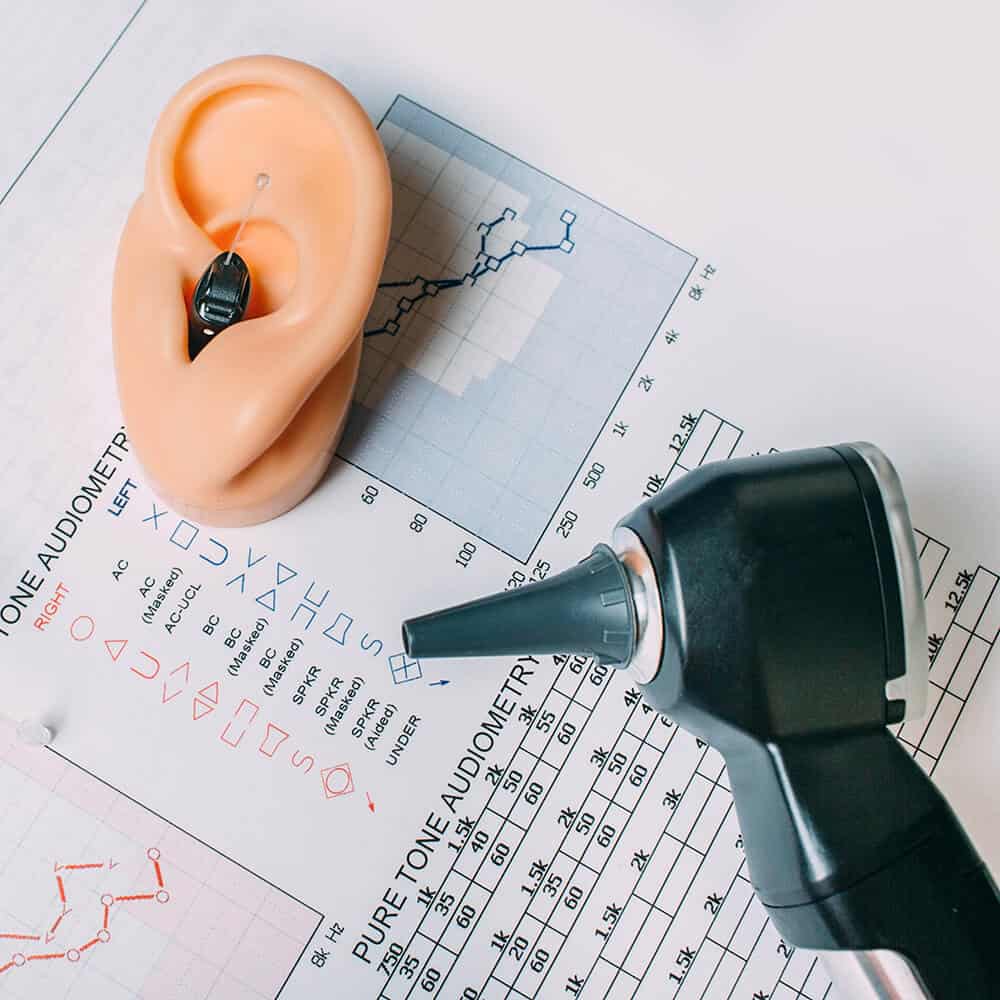
One of the most important steps in maintaining hearing health is scheduling routine hearing evaluations. Hearing tests measure how well individuals hear different sound frequencies and speech patterns.
Routine testing helps hearing professionals track changes and recommend solutions when needed.
Protecting Hearing From Loud Noise
Noise exposure is one of the most common causes of preventable hearing damage. Loud sounds place stress on the delicate structures inside the inner ear. Over time, repeated exposure can damage the tiny sensory cells that detect sound.
Protecting hearing from loud environments is an important part of any hearing wellness plan.
Common sources of harmful noise include:
- Power tools and construction equipment
- Lawn mowers and outdoor machinery
- Loud concerts or sporting events
- Personal audio devices used at high volume
Taking simple steps to reduce noise exposure can make a significant difference in long-term hearing health.
Some helpful habits include lowering headphone volume, wearing ear protection in loud environments, and taking breaks from continuous noise.
Recognizing Early Signs of Hearing Changes
Hearing loss often develops gradually. Being aware of early warning signs allows individuals to seek professional care sooner.
Possible signs of hearing changes include:
- Difficulty understanding speech in crowded places
- Asking others to repeat themselves often
- Turning up the television or radio volume
- Feeling tired after long conversations
Listening fatigue occurs when the brain must work harder to understand speech. This may indicate that hearing ability is changing.
If these symptoms appear, a professional hearing evaluation can provide helpful answers.
Exploring Hearing Technology When Needed
If hearing loss is identified, hearing devices can provide effective support. Modern hearing aids use digital technology to improve speech clarity while reducing background noise.
These devices are programmed to match each person’s hearing profile. When properly fitted and adjusted, hearing aids can improve communication in many listening environments.
Many modern devices also connect to smartphones and other devices, allowing users to control settings and enjoy improved listening experiences easily.
Supporting Hearing Through Healthy Habits
General health habits can also support hearing wellness. The inner ear relies on healthy blood circulation to function properly. Maintaining good overall health can benefit the auditory system.
Helpful habits include:
- Maintaining regular physical activity
- Following balanced nutrition habits
- Managing stress levels
- Getting enough rest
While these habits support overall wellness, they may also help protect the structures that support hearing.
Making Hearing Care a Lifelong Habit
A hearing wellness plan is most effective when it becomes part of a long-term health routine. Regular hearing evaluations, safe listening habits, and awareness of early symptoms all contribute to healthy hearing.
When individuals take proactive steps to care for their hearing, they can reduce the risk of long-term hearing damage and maintain strong communication abilities.
Protecting Hearing for the Future
Hearing connects people to conversations, music, and everyday experiences. Protecting this ability requires attention and consistent care.
By building a long-term hearing wellness plan that includes regular testing, protective habits, and professional guidance, individuals can support their hearing health and enjoy clearer communication throughout their lives.